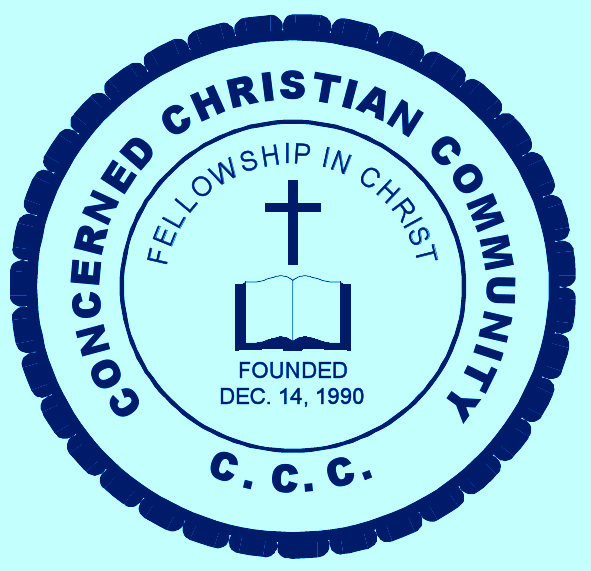
Concerned Christian Community CCC Administrative & Operational Manual CAOM
CONCERNED CHRISTIAN COMMUNITY
CCC
ADMINISTRATIVE
AND
OPERATIONAL
MANUAL
*CAOM*
THE REVISED EDITION
CCC INTERNATIONAL CCC HEADQUARTERS OFFICES
P. O. BOX 10-4875 2ND FLOOR KASHOUS BUILDING
1000 MONROVIA 10 BROAD & JOHNSON STREETS
MONROVIA, LIBERIA
EMAIL: cccmonrovia@yahoo.com
JANUARY 2010
Manual Contents:
Acronyms
AFC ADMINISTRATIVE & FIANNCE CODE
AMC ANNUAL MEMBERSHIP CONTRIBUTION
APC ASSETS & PROPERTIES CODE
BFO BUSINESS & FINANCE OFFICER
CCAD CHRISTIAN COMMUNITY AGRICULTURE DEPARTMENT
CCC CONCERNED CHRISTIAN COMMUNITY
CCDI CHRISTIAN COMMUNITY DEVELOPMENT INSTITUTE
CCED CHRISTIAN COMMUNITY EDUCATION DEPARTMENT
CCDO CHRISTIAN COMMUNITY DEVELOPMENT OFFICE
CCF CHRISTIAN COMMUNITY FELLOWSHIP
CCHS CHRISTIAN COMMUNITY HEALTH SERVICES
CMC CHRISTIAN MISSION CITY
COA CENTRAL OFFICE ADMINISTRATOR
CCPRC CHRISTIAN COMMUNITY PEACE & RECONCILIATION COMMISSION
CCRC CHRISTIAN COMMUNITY REPRESENTATIVE COUNCIL
CRN CORRESPONDENCE REFERENCE CODE
CCRS CHRISTIAN COMMUNITY RELIEF SERVICES
CCSS CHRISTIAN COMMUNITY SECURITY SERVICE
CWDC COMMUNITY WELFARE & DEVELOPMENT COMMITTEE
CWG COMMUNITY WOMEN GROUP
DED DEPUTY EXECUTIVE DIRECTOR
GMO GENERAL MAINTENANCE OFFICER
IAC INTERNATIONAL ADMINISTRATIVE COORDINATOR
IBD INTERNATIONAL BOARD OF DIRECTORS
IC INTERNATIONAL COORDINATOR
ICG INTERNATIONAL CONTACT GROUP
IDP INSTITUTIONAL DEVELOPMENT PROGRAM
IFC INTERNATIONAL FINANCE COORDINATOR
IRM INTERNATIONAL RESOURCE MOBILIZATION
LOU LETTER OF UNDERSTANDING
NBD NATIONAL BOARD OF DIRECTORS
NEC NATIONAL EVANGELISM COMMISSION
NED NATIONAL EXECUTIVE DIRECTOR
NGO NON GOVERNMENTAL ORGANIZATION
NPO NATIONAL PROGRAM OFFICER
PDMU PROGRAMME DEVELOPMENT & MONITORING UNIT
RBA REGIONAL BOARD OF ADVISORS
RCS RADIO CALL SIGNS
ROA REGIONAL OFFICE ADMINISTRATOR
SIC STAFF IDENTIFICATION CODE
SWS STAFF WELFARE SCHEME
UNHDA UNITED NATIONS DEPARTMENT OF HUMANITARIAN AFFAIRS
WACS WOMEN & CHILDREN SERVICES
Preface:
Liberia was crisis ridden when the Concerned Christian Community or CCC was organized in 1990 in Tubmanburg, Bomi County, western Liberia to directly respond to the suffering of the people through the provision of spiritual and social assistance. CCC have developed into a national Christian relief and development organization with the mandate to continue her services in postwar Liberia, having successfully executed relief programs worth ten million United States dollars in over half of Liberia’s thirteen counties.
NGOs are largely formed to supplement the efforts of National Government all over the world in countries where there are governments. In countries without governments, the intervention becomes much more extensive and cumbersome because contrary to their mandate and wish, they are compelled to provide social services and leadership direction to the local population whom they serve. The United Nations has played such role in many areas. This was also the case with CCC when established in 1990. There were no central government only warring factions. The country was in turmoil and the factions were not attentive to social and economic issues when the war raged.
CCC therefore played a leadership role in western Liberia, which in no small measure significantly contributed to the search for peace in Liberia including the disarmament and demobilization of ex-warring factions. This can be attested to the Certificate of Participation awarded to CCC by the United Nations Department of Humanitarian Affairs (UNDHA) at the close of the disarmament of former warring factions and the awards as NGO of the year 1996 and 1997 from the Inquirer and News Newspapers respectively.
It is indeed interesting to know that NGO work can be traced to Biblical times when God Himself as the Donor provided food referred to as manna for 40 years through the coordination of the spiritual leader, Moses. The guidelines were made in Heaven and handed down to Moses. They included that no man collected more than the number of his family size (an Omer per person) and that each family collected rations for Fridays and Saturday s (on Friday) since the next day (Saturday) was the Sabbath-the day of the rest and no manna would fall.
That instruction was monitored directly from Heaven viz any many who collected manna over and above the stipulated quantity had the surplus destroyed (Exodus 16). Secondly, if any man didn’t collect enough or two omers of food for the end of the week he didn’t have enough for the two days. The rule was cleared and followed. The ultimate objective was to sustain a nation in transition.
In our times, NGOs have also sprung from the desire to minimize hunger and poverty which are the direct results of disasters-natural and man-made. Liberia being no exception. In this arrangement, assistance has flowed from rich countries of the West and part of Asia to poverty-ridden countries of Africa, the Pacific States and others. As NGOs strive to provide support to mankind, they developed strategies by which they are sustained and guidelines by which they are managed in order to effectively carry out their mission. This is the case of the CCC Administration Manual.
Forward by The Chairman of CCC:
Greetings in Jesus Name!
The Concerned Christian Community (CCC) has survived the emergency relief period when bullets reigned nearly fourteen (14) years into a new era ushered in through Providence by the successful holding of national elections and the inauguration of a central Government. CCC is therefore compelled to engage a future in the rehabilitation and development of Liberia having successfully contributed to the attaining of peace and stability through the many programs initiated during the civil war to assist the citizenry thereby supporting the peace process and the stability of the country.
Starting from humble beginning as a church fellowship group on December 14, 1990 when establishment was finally confirmed, CCC flourished and became an important partner in the Liberia Emergency Relief Program especially in southwestern Liberia. Initial programs of spiritual support and reactivation of the education system through the establishment of crash schools in 1990 and 1991 culminated into a Lutheran World Federation partnership in the areas of seeds and tools distribution, general food distribution, school feeding, vulnerable group feeding, etc. These enabled CCC to later partner with the United Nations Food Programme between 1992 and 1998 when she distributed relief food with a face value of about ten million United States dollars to residents, internally displaced and refugees from the Republic of Sierra Leone.
The WFP intervention strengthened CCC for partnership with other partners including the Dutch Interchurch Aid, Children at Risk, Dorcas Aid International amongst others which won CCC many recognitions from local and international groups including the press.
As CCC journeys the road of rehabilitation and development it is imperative that a new structure of CCC is developed. This has been a part of the task in the transition from relief to rehabilitation and development. A restructured CCC requires staff personnel who will see themselves as laborers in God’s vineyard, if the mission of the organization must be accomplished. This Administrative Manual therefore helps the administration to define the caliber of Christian workers require for this worldwide calling and provide the measuring line by which they must carry out their responsibilities in whatever field called.
We believe that CCC is God’s newest ‘exploit’ in this era of service to the poor of the world. We believe we are God’s fellow laborers (1 Corinthians 3:9) who must mature and the best of our selves to fulfill God’s will on earth. We therefore request that each Christian worker reads this manual. It will ignite in them the desire to live their best, do their best to accomplish the Goals and Objectives for which CCC was established and stands.
I therefore say to you holding this book in your hand, welcome to the Concerned Christian Community wherever you are and I wish you the best in your work here at CCC and your service to humanity. Thanks, God bless!
My personal regards,
Rev. Kortu Kayve Brown
Chairman/Board of Directors
Brief History of CCC:
CCC was organized by local Christian who were compelled by the need for Christian cooperation in the midst of despair and uncertainties in western Liberia in 1990 at the height of the Liberian Civil crisis. She therefore intervened in behalf of war victims who at the time could only find solace in and encouragement from Christian community which remained the only institution in operations when the socio-political structure of the country collapsed. When the idea finally matured by November 1990, the civil war had engulfed the country, undermined the economy, destitute women and children robbed breadwinners of economic and social influence, and compelled many Liberians and residents to flee to other parts of West Africa and the world for safety.
A few remaining Christians dare the situation and organized CCC to strengthen fellowship among the local churches and serve the affected population which was broaden as the civil crisis intensified and disrupted basic life-support services.
With assistance from local and international organizations, CCC engaged various programs to assist the needy. Some of these programs included but not limited to food aid distribution, agriculture, counseling (trauma & hiv/aids), medical aid, education, skills training, income generation, rehabilitation of schools, health centers, construction and management of internally displaced and refugee centers, etc. CCC is focused on the community with emphasis on rural and community development. It is member-driven with activities decentralized through regional offices.
Since 1990, CCC has made the following achievements amongst others:
*The distribution of more than thirty thousand (30,000) metric tons of assorted emergency food items to more than three hundred thousand (300,000) beneficiaries between 1990 and 1999
*The treatment of more than eight thousand (8,000) victims of rape and other forms of abuse since 1984
*The distribution of seeds and tools to approximately nine thousand (9,000) farmers annually between 1992 and 1999
*The community based implementer of a USAID-funded LWF-monitored US$2.5M “Rapid Food Production Rehabilitation Project” in western Liberia from 1999 until escalation of fighting in that region of Liberia
*The support to two community based partners to construct two community based health centers and an elementary/junior high school
*The repairs of four (4) community and private secondary schools at the advent of normalcy in Liberia after the disarmament of warring parties in 1997
*The construction and management of camps for internally displaced persons since 1993 in Southwestern Liberia. In 2002 alone, CCC constructed and managed two IDP Camps, Seigbeh and Perry Town Centers hosting more than thirty thousand inmates in rural Montserrado.
*The overseas training of about fifteen (15) staff members, ranging from one to fifty-two weeks in various fields including Community Development, Emergency Relief Management, Counseling, etc. since 1999 to enable CCC adequately manage her relief and rehabilitation programs, amongst others. About six (6) of these overseas training have been supported by the Asian Rural Institute (ARI), Nishinasuno, Japan and the World Council of Churches (WCC) based in Geneva, through grants totaling about $15 – 20 thousand annually, which covered cost of training, board and travel, amongst others since 1999.
*Constructed expanded shelters for returnees at E.J. Yancy IDP Camp in Central Liberia, about 70 miles away from Monrovia.
*Payment of travel assistance on behalf of UNHCR to help accelerate the resettlement and reintegration of internally displaced persons in Liberia
CCC International Organogram:
Motto and Symbol of CCC
The Motto and Symbol of CCC include:
1. Motto
Psalms 133;1 “Behold how good and how pleasant it is for brethren to dwell together in unity”. This is synchronized as “Fellowship in Christ”.
2. Working Concept
“Fellowship in Christ” through service to God and mankind. This can be explained by the prefix of Concerned Christian Community of “ConChristCom” thus
“Con” means to learn study peruse or examine carefully, etc.
“Christ” means “the Messiah, the Anointed One”
“Com” means “together, in association, etc.”
“ConChristCom” is therefore defined by CCC as study Christ together or learn to know Christ together in service to God and mankind.
3. Flag
A blue field and white cloth with the symbol of seal inserted in the middle. As a rainbow, blue represents fidelity, courage and strength provided us by God each day we work, while white stands for purity, which fulfill the pure heart and clean hands we need in our service to God as we service Daily.
4. Logo
The Logo is a two-circle-line comprising a HOLY BIBLE depicting our TOTAL DEPENDENCE on God for our daily instruction and survival. THE CROSS, requiring our sacrifice as we carry out our responsibilities daily; THE INSCRIPTION: Fellowship in Christ exhibiting the spirit and attitude of staff at work and a foundation date (December 14, 1990) which reminds us how far we have come through God’s grace in this noble CALLING of service to mankind.
The logo is the Official Stamp and Seal of the organization.
Objectives of CCC:
The broad objectives of CCC include:
*Promotion of Christian Unity and Cooperation through the establishment of rural fellowship at the district level, and cooperation, coordination and collaboration with the Christian organizations and para-church groups in furthering THE WORK OF God on earth.
*Strengthening Christian cooperation through working with local fellowships and communities in enhancing the lives of people served.
*Sharing and Caring for the less fortunate in society.
*Cooperation and collaborating with Government and other national and international organizations on programs of mutual interest to the communities and beneficiaries, etc.
Organs and Responsibilities of Officers:
The following constitutes the organs and responsibilities of officers of the organization:
1. The International Contact Group (ICG)
The ICG is a consortium of individuals, churches and organization overseas that support programs of CCC through advocacy and resource mobilization. These are constitutes into “Support Groups” per country and or region, each of which has a Coordinator who makes up the ICG in addition to the executive director, and Chairman of national board of directors who all form the International Contact Group.
2. The Christian Community Representative Council (CCRC)
The CCRC is the national assembly of affiliates churches and other members of the CCC. It is convened annually to solicit members and community inputs into the management and operations of the organization. It helps set the stage and agenda for the annual country programs.
3. National Board of Directors (NBD)
Board members are non-compensated important society members who help run or direct the organization. They have the following functions:
*Jointly and severally seek the welfare of the organization
*Seek funding and monitor expenditure of organization i.e. act as financial guardians of the organization.
*Formulate policies of the organization among others
*Give direction to the organization among others
*Hire and evaluate the National Executive Director
*The board shall have Standing Committees to include:
1. Programme
2. Finance
3. Resource Mobilization
4. Employment
5. Administration
1. Executive Management Committee (EMC)
The Principal administration of the organization includes:
A. National Executive Director (NED)
Secretary of the Board
Coordinator of the International Contact Group
Chief Executive Officer of the organization
Overseer of operations of all department offices
Chairman of the Executive Management Committee
Ensure that directives pass down by the Board of Directors is ahead to
Report to the Board and ICG
Develops proposals for support of the organization
Encourage departments come out with proposals regarding more activities
Hires staff which must be confirmed by the NBD
B. Central Office Administration (COA)
Responsible to the Executive Director
Ensure physical maintenance of the office and its environment
Write office situation reports of the attention of the National Executive Director
Responsible for personnel
Responsible for attendance, tardiness, staff relations, etc.
Responsible for processing all requirements
Responsible for arranging internal meetings, receptions, etc.
Responsible for the processing of all international guests traveling documents, etc.
C. National Deputy Executive Director for Regional Affairs (NDEDRA)
Receives reports from the regions and compiles for National Executive Director
Responsible to the national executive director
Liaises with the COA in coordinating the work of the regions
Responsible for interaction with partners working in the regions
Responsible for the maintenance of regional offices
Working closely with Regional Board of Advisors (RBA) to ensure the successful operations and administration of regional offices
Serves in the absence of the National Executive Director
D. Business and Finance Officer (BFO)
Receives and expends funds
Report to the National Executive Director on all finance matters
Issues receipts of all transactions
Negotiates financial contracts on behalf of CCC in collaboration COA and NDED for regional programs
Keep the books
Responsible for purchases
Requires audit of all transactions annually as maybe required
Compile financial reports and maintain financial records
Work with a team of support staff including an Accountant, procurement officer, clerk, etc.
E. National Programme Officer (NPO)
Develop programmes as required
Monitors and evaluates programmes
Responsible to the national executive director but liaises with COA and NDED
Develop strategies for implementation of programmes and administers PDMU
Liaises with program development to avoid duplicating and other partners where required
Performs other responsibilities incident to this office
F. General Maintenance Officer (GMO)
Runs the general maintenance unit responsible for the identification and maintenance of all properties of CCC
Work closely with the BFO
Makes report to COA
With the regional offices through the NDED in maintaining the assets and properties CCC assigned to each region.
Performs other responsibilities to this office
G. Chief Security Officers (CSO)
Heads the Christian Community Security Services (CCSS) the security unit of CCC
Responsible to provide protection for CCC properties, interest and staff members
Ensure that CCSS Operation Manual is adhered by unit members
Work closely with BFO, GMO, Regional Offices in ensuring that CCC properties, assets, staff and interest are protected and safe.
Performs other responsibilities assigned this office
H. CMC Program Manager
Heads the CCC Mission City (CMC) programs
Work directly with NDED and COA in ensuring the success of program
Responsible to the national executive director
Make report to management on the health of CMC through the office of the NDED
Supervise income-generation projects on CMC for the sustainability of CCC
Performs other responsibilities
Program Department and Responsibilities:
The departments of CCC include:
1. National Evangelism Commission (NEC)
2. Christian Community Education Department (CCED)
3. Christian Community Relief Services (CCRS)
4. Christian Community Women and Children Services (WACS)
5. Christian Community Development Office (CCDO)
6. Christian Community Agriculture Department (CCAD)
7. Christian Community Health Services (CCHS)
8. Christian Community Peace and Reconciliation
The principal responsibilities of each department head include being responsible for the proper working of his/her department functions and activities including the performance of staff. Other include:
*Providing reports to the office of the national executive director through the office of the Central Office Administrator (COA)
*Working with the National Program Officer and PDMU in developing concepts which may lead to project proposal developments, and the monitoring of field activities of the department
*Submission of requisitions to the office of the central office administrator for processing through BFO and the office of the national executive director
The specific conception of each department shall include:
1. The Christian Community National Evangelism Commission (NEC)
*Coordinates affiliate churches activities of CCC through the Christian Community Fellowship CCF) concept being implemented at the district level in the counties of Liberia. CCF programs will (focus on church empowerment including revivals crusades, training, income generation, etc.
*Administers the Christian Education Programme (CEP) intended to place Christian teachers in public schools to assist rehabilitate war affected youths in Liberia, maintain a Christian influence Maintain local resource centers to be established to provide rural local churches access to reference materials, production facilities and other services to strengthen the activities of the local community
in our schools and work towards making good citizens of the students for schools, community and society
*Administers the youth program of CCC through the establishment of local youth desks at the CCF level for the purpose of engaging the energies of the Christian youth of Liberia through CCC construction, amongst others. The youth desk shall operate under the general theme; “NONLIMIT SOLDIER FOR CHRIST”!
The Scripture reference of this department is St. Matthew 28:19-20
Go ye therefore and make disciples of all nations, baptizing them in the name of the Father and of the Son and of the Holy Ghost, and teaching them to obey everything I have commanded you. And surely I am with you always to the very end of the age.
NEC is headed by a National Evangelism Director (NED) and is assisted by project officers and staff working on various programs and projects including CEP, CCF, Christian Community Resource Center (CMRC), youth, etc.
2. The Christian Community Education Department (CCED)
The CCED shall be responsible to manage all CCC primary and secondary schools CCPS (Christian Community Preparatory School) established and operated throughout the country. The department shall also be responsible to plan the school year train teachers, support affiliate churches’ schools and provide school assistance in the form of materials and human resources to public and private schools with emphasis on CCC operated and affiliated schools.
The department shall organize itself through principal units including (1) CCPS School System, (2) School Planning and Training program, (3) School Assistance Project (4) Community Scholarship Program, etc. It shall be headed by a National Education Officer (NEO) and assisted by project officers (for each unit) and staff etc. A school handbook with sections fort students and teachers is in place.
Scripture reference includes:
Proverbs 22:6
“Train up a child in the way he should go so that when he is old he will not depart from it”.
II Timothy 3: 16-17
“All scripture is God-breathed and is useful for teaching, rebuking, correcting and training in righteousness, so that the man of God may be thoroughly equipped for every good work”.
3. The Christian Community Relief Services (CCRS)
The CCRS will be responsible for food aid programs of CCC. CCC is focusing on a four-fold intervention program
a. School feeding program (SFP)
b. Food-for-work (FFW)
c. Food for Agriculture /Food Production and
d. Vulnerable Group feeding (VGF)
CCRS is headed by a National Relief Officer (NRO) and assisted by project officers, supervisors and field staff.
The emphasis of the postwar food aid program intervention us to support the rehabilitation and development program of the country and work towards food security at the household, community and national level amongst others. It does this in collaboration with CCAD.
The scripture reference is, Matthew 25: 31 – 46; Isaiah 1: 17 among others.
“Learn to do right! Seek justice, encourage the oppressed. Defend the cause of case of the fatherless, plead the case of the widow”.
4. The Christian Community Women and Children Services (WACS)
The WACS is responsible for all women and children programs of CCC. It is focused on rehabilitating war-affected women and children through diverse interventions and organization of community and church women groups to enable women to take collective actions for advancement and empowerment.
WACS is headed by a National Women and Children Officer (NWCO) who is assisted by project officers, supervisors, coordinators and field staff including trauma & HIV/AIDS counselors, health workers, skills-trainers, agriculture and other social workers. Some of the major projects of WACS include the CCC Abused Women and Girls project (CCCAWAG) the Christian Community Children Home (CCCH) and the Christian Community Women Auxiliary (CCCWA), amongst others. All of the local women groups make up the CCCWA, which is headed by a National President and assisted by regional coordinators, local coordinators and national secretariat styled as WACS.
Scripture reference includes Isaiah 1: 17; James 1:27
“Religion that God our Father accepts as pure and faultless is this: to look after orphans and widows in their distress and ton keep oneself from being polluted by the world”.
The Christian Community Development Officer (CDO)
The CDO is responsible for rural development and construction works within and without CCC. It is focused on community rehabilitation and development including roads, bridges, water and sanitation, school, health center, community empowerment and sensitization, amongst others.
5. CDO is headed by a National Community Development Officer (CDO)
and assisted by field technicians including engineers, carpenters, masons, craftsmen, etc.
Scripture reference is Isaiah 58:12
“Your people will rebuild the ancient ruins and will raise the age-old foundations, you will be called Repairer of Broken Walls. Restorer of Streets with Dwellings”.
6. The Christian Community Agriculture Department (CCAD)
The CCAD is responsible for food security initiatives and agro-business projects of CCC. These include seed production, seed and tools distribution, animals’ multiplication, extension services, etc.
CCAD is headed by a National Agriculture Officer (NAO) and assisted by project officers, manager, technicians including poulterers, crops and vegetable specialists, etc.
Scripture references is Genesis 4:2
“….Now Abel kept flocks, and Cain worked the soil”.
7. Christian Community Health Services (CCHS)
The CCHS is responsible for health programs of CCC. These include community services (mobile clinics, ambulance service, training, TTMS, TBAs etc.) and CCC-administered health centers. CCC health facilities are referred to as Christian Community Health Centers (CCHS) while the extension services are dubbed: Community Health Services” (CHS).
CCHS is headed by a National Health Officer (NHO) and assisted by project managers, doctors, nurses, pharmacies, x-ray technicians, specialists, general staff, etc.
CCHS will administer major CCHC centers in densely populated rural areas without regular health facilities or services.
Scripture reference is III John 2
“Dear friend, I pray that you may enjoy good health and that all may go well with you, even as your soul is getting along well”.
Christian Community Peace and Reconcilation Commission (PRC):
The PRC is an offshoot of the rehabilitation of abused women and girls’ project treating women and girls who were sexually tortured, molested or raped during the course of the Liberian civil conflict. It focuses on advocacy for oppressed and poor people with emphasis on plight of women and children. It has a five-fold intervention; Civil Education, Healing & Reconciliation, Legal Assistance, Community Watch (investigation and documentation of human rights abuses) Research and Training.
It also administered a Records and Documentation Center (PRD) where reference materials and human rights abuses are kept for records, research and intervention where required.
PRC is headed by a Peace and Reconciliation Director (PRD) who is assisted by project officers, office and field staff including human rights monitors.
Scripture references includes Isaiah 1:16-17 and Micah 6:8 (among other)
“He has showed you o man, what is good and what does the Lord require of you? To act justly and to love mercy and walk humbly with God”.
Program Strategy:
The strategy of the CCC program is to mobilize communities and local churches to take collective action for the development of the community. The community-based constituencies of the organization include: (a) Community Welfare and Development Committee (CWDC) – responsible for community self-help actions (b) Christian Community Fellowships (CCF) – responsible for grouping local churches for joint initiatives (c) Community Women Group – a part of CCC Auxiliary responsible to group women in the community or church for self-empowerment and advancement.
CCC uses these groups as conduit for the advancement of the self-action approach to development, and assistance to community residents. The process includes sensitizing beneficiaries, planning with them, executing programs with or through them monitoring their performances, reporting, etc.
Role of The Christian Community Fellowship:
The CCF groups local churches at the district level to share and care for the advancement of Christian cooperation, to take action to bring development to their community, and to work with CCC in strengthening Christian unity through the provision of social and spiritual services to their communities. The CCFs in each county or designated area are responsible to select members of the Regional Board of Advisors (RBA) whose chairperson, selected from its membership is member of the national Board of Directors (NBD). CCF provides membership forms.
The Regional Board of Advisors serves as the membership clearing house of CCC local churches applying for membership with CCF. MCH reviews applications and recommends to the National Board of Directors, for either associate or full membership (all privileges appertaining thereto) as “Affiliate Church” MCH recommendations must be channeled through the CCC Management before consideration by the NBD.
Christian Community Representative Council (CCRG):
1. The CCRC is the annual working meeting of CCC. It avails the membership the opportunity to review and provide direction to CCC
2. The CCRC is organized by CCC management through a National Council Committee (NCC) drawn from staff and membership and responsible to plan program, arrange venue, transportation, lodging, feeding and reporting on conclusion of the annual council.
3. Presentation to Annual Council Meeting includes delegates from each CCF board members, management and staff of CCC, partners, supporter, invited guests amongst others.
4. During each CCRC session, various department, offices and major programs including the International Contact Group, national and regional board and management are required to provide the Council in-sitting an annual report of their activities for review, adoption and recommendations for succeeding interventions. These presentations are left to the arrangements of the EMC and NCC.
CCC Funding and Resource Mobilization Strategy:
1. CCC is funded through grants, donations projects, membership fees, and consultancy and income generation activities.
2. CCC mobilizes human, materials and financial resources at the community national and international level to support her program.
3. CCC organizes national and international support groups to achieve this which is the genesis of International Contact Groups (ICG)
4. ICG include individuals, churches and organizations that are interested in and share the Vision of CCC to assist poor and needy people as required by our Lord Jesus Christ.
5. CCC has a “Resource Mobilization Strategy” brochure which guides and directs all fund-raising campaigns.
Project Implementation
Proposals are developed for specific projects and/or programs. These projects or programs are implemented by sector departments through the CCC regional community structure which requires that project staff are locally selected or based and which must coordinate project activities through the office of the Regional Administrator who provides periodic reports to the Deputy Executive Director for regional affairs. Issues of personnel including salaries, tardiness, logistics, etc. are referred to the Office of the Central Administrator (COA). While programme related issues are handled by the National Programme Officer (NPO) in collaboration with his Programme Development and Monitoring Unit PDMU). Financial and logistical requisitions are channeled through the office of the COA to the relevant office or unit within the Central Administrative Unit headed by the COA.
Reporting Requirements and Procedures:
Central Administration Report
Information plays very important role in the business of administration. It helps to enhance performance and ensures very good working relationship. CCC places priority on the collection and dissemination of information and date as means of assessing the internal and external performance of the institution, activities of staff as a mechanism for advancing and improving our program intervention.
Hence the central administration will proceed with such efforts through the production of five (5) major “information-sharing” reports:
a. Central Office Administrator
b. Programme and Monitoring Unit
c. Business and Finance Office
d. General Maintenance Office
e. Regional Office
Focus of Reports:
a. Administrative
b. Programme & Monitoring
c. Financial
d. Regional Briefs
e. Logistics
f. Protection
Format of Reports:
a. Narrative of monthly activities
b. Description of state of affairs under purview using available statistics where necessary
c. Observations and Recommendations
Frequency of Reports:
a. Reports shall be required monthly, quarterly and annually
b. All reports shall be submitted during first week of succeeding month
c. Special report shall be required by the national executive director for specific purposes including collaborating partners’ requests.
Reports Clearing House
A. Monthly meetings
*Central Administration
*Executive Management Committee (EMC)
*Program Review meeting of Central Administration and designated invited department
B. Policy Programs Review Meetings
*Regular meetings of the National Board of Directors
*Reports of Regional Board of Advisors
*Meetings of International Contact Groups
*Annual Meeting of the CCRC, etc.
Definition, Descriptions, Emphasis, and Coverage of Reports:
1. Administrative Report
a. Staff Performance
*tardiness, job performance, staff relations, etc.
b. Update on administrative units performance of programs department
*BFO, PDMU, GMO, CCSS, etc.
c. Update on administrative performance of program departments
*NEC, CCED, CCRS, WACS, CDO, CCAD, CCHS, PRO, etc.
d. General brief on maintenance (and utility)
*office equipment and furniture
*automobile, motorbikes, etc.
*structure, office, etc.
*expendable and non-expendable
*procurement, agreements, etc.
2. Programming and Monitoring Report
a. Assessment and evaluation reports of implemented programs/projects
b. Review of programs/projects implementation
*project objectives and proposed strategies vs. actual field implementations
*review of utilization of resources
*timely delivery/deliveries compatibility with project approved specifications
*feedback from monitoring through a designed system
*risks and changes in conditions related to project implementation completed and/or success
*field organization and management arrangements
c. Reporting
*contents and substance of various programs debts, report, plans, etc.
d. Workshop
*convened during reporting period to upgrade staff performance, share knowledge/information and improving overall work.
3. Financial Reports
a. Report on reception and disbursement of funds
*reception and disbursements reported by program/projects/offices
*summaries provided
b. Reconciliation of cash flow and expenditure
c. Monitoring and expenditure of program departments
*review of proforma and receipts expenditures
*reporting on potential problems and/or over or under expenditure
d.Reporting on stocks, assets, stationaries and utilities
e. Providing projects for ensuring month
4. Reporting Brief
a. Reporting on activities of Regional Offices and CMC
b. Comments and suggestions on Regional offices and CMC
c. Field assessments and visits
d. Regional and partnership meetings
*meetings regional offices
*meeting with partners/donors/others
e. Specially – executed field activities
*Workshops, seminars, conferences, etc.
*Partnership/donors, visits, etc.
f. General comments on performance and impact of programs (debts) on regional operation and CMC
g. Ensure participation of Regions in CCC activities, i.e. staff awards, Partners Recognition, CCRC, etc.
1. Monthly Reports Channel
a. All monthly reports addressed and delivered to the NED’s Office
b. The NED convenes the appropriate meetings for discussion of such reports at CA or EMC level or with concerned program department (s)
c. In the absence of the NED, the COA in collaboration with the DED, shall convene such meetings
d. The meetings serve to principally share information on projects/programs under implementation and caused to be effected any action necessary to safeguard any project/program under risk from mal-administration, poor staff performance or lack of support from community or beneficiaries
e. The reports and meetings assist CCC in assessing, evaluating and implementing departmental activities
f. CA Reports don’t negate against the Monthly reports of each department which shall be done by the head of the department focusing on the activities carried out in the preceding month with attached plans for ensuing month
g. All department reports shall be made through the office of the COA to NED while regional offices reports shall be made through the DED
2. Quarterly and Annual Reports
The review of Quarterly and Annual reports shall follow the same pattern laid down in the monthly report requirement except that quarterly and annual reports shall be comprehensive and composite.
3. Annual Review Workshop
CCC shall convene annual working meetings with relevant departments, offices and units to review the yearly report and make plans for the Christian Community Representative Council (CCRC) meeting. Each department or unit shall be required to hold their “Departmental Evaluation Meeting” (DEM) prior to CCC Annual Review Workshop
Regional Office Operation:
CCC operates regional offices in order to decentralize her country programs to ensure effective and efficient implementation, monitoring and coordination of programs projects and activities carried out in the rural areas. A regional office comprises
1. Regional Board of Advisors (BRA)
2. Regional Office Administrator (ROA)
3. Christian Community Fellowship (CCF)
The functions of regional offices’ institutions include:
1. Regional Board of Advisors
*selected from amongst CCC membership in the region through the CCF, etc.
*membership is between 5 to 7 members every two years
*responsible to:
*Represent National Board of Directors in the region
*Work along with the Regional Administrator in coordinating CCC activities
*Provide counsel where necessary on all programs of CCC in the region
*Coordinate the various CCFs in the region
*Report to the NBD periodically through the DED on the region’s performance
*Work through the office of the Regional Administrator in coordinating the activities of the region
*RBA can select a Chairperson and Co-chairperson. However, the Regional Administrator serves as
Secretary to the board. ROA takes minutes, preserves records, correspondence, cite meetings and
draft reports on the activities of the regional board of advisors
*An RBA must have women representation from CCC Women Auxiliary
*The chairperson of the regional board of advisors serves as member of the National Board of Directors.
2. Regional Office Administrator
*Work under the supervision of the NED through the DED
*Liaise with the COA on personnel-related matters through the DED
*Make monthly, quarterly and annual reports to the DED
*Supervise and coordinate programs and activities and staff within the region
*Work closely with both public and private sector institution within the region to ensure proper coordination with CCC
*Supervise the utilization of logistics and materials aid and maintain records of CCC in the region
*Serve as Secretary to the Regional Board of Advisors
*Act on behalf of CCC management in the daily evaluation of the activities of the various departments working in the region
*perform other functions incident to this office
3. Christian Community Fellowship
*Community-based constituent of CCC
*Organize at the sub-political division district of province level
*Organize rural churches into fellowship for collective church action in behalf of the community, etc.
*Provide a forum for fellowship amongst ministers of the Gospel and local churches within the district
*Promote the fellowship of various Christian groups in the district
*Bring spiritual, financial, material and physical development through fellowship to the district
*Jointly working towards maximizing evangelism in the district through the holding of crusades, revivals, counseling and training sessions, conferences, annual meetings, etc.
*The CCF shall elect within its membership which shall include, Chairman, Vice Chairman, Fellowship Secretary, Treasurer, Chaplain and Zonal Coordinator among others where feasible.
The following shall apply to each CCF
a. It shall establish with support for the CCC Management, National Evangelism Commission, Regional Office and local churches, among others.
b. Each CCF shall have the following institutions for their effective functioning, Evangelism, Youth, Women, Way and Means, Community Watch and others deemed appropriate by the Fellowship
c. Each CCF shall be administered by the established guidelines which shall be ratified by each organized CCF before official functions begins
d. CCFs within a CCC demarcated region shall be responsible to select members of the Regional Board of Advisors who shall be confirmed by the National Board of Directors
e. All local churches would apply to CCC “Affiliate Church” Membership through the CCF which must be recommended by the RBA to the CCC Management for confirmation of the National Board of Directors
f. “Affiliate Church” Membership Application Form (MAF) shall be available at the ROA’s office or with the CCF leadership
g. CCF representatives shall attend CCRC annual meeting to review activities and set policies for CCC management organization
The membership of CCF shall be opened to all:
Holy Bible believing churches, groups, fellowship and individual within the region.
The CCF shall be financed through:
*Annual membership contribution(AMC)
*Offering raised at fellowship meetings
*Programs, Special Contributions, etc.
The CCF Membership Clearing House (MCH) is the RBA. It shall provide for:
*Probational Membership: Associate members denied voting right and full assistance
1. Full Membership: “Affiliate Church” members entitled to all privileges applied thereto
2. Membership may be revoked for lack of cooperation and negligence.
CCC Reporting Requirements and Procedure Management Reporting Chart:
CCC Performance Recognition
1. Criteria for Recognition:
CCC shall strive to recognize and appreciate staff members, partners, donors, friends, department. CBOs, etc. who contribute significantly to the operations, upliftment and development of CCC. These include:
*Staff members who perform superbly and take extra risks in the cause of CCC or provide unswerving support to CCC programs
*Partners-donors, friends who are committed to the institutional development and capacity building of CCC
*Government agencies which work cooperatively with CCC in carrying out her activities in the communities
2. Category of Recognition
Performance recognition shall be at three levels:
Level 1: Letter of Appreciation
Level 2: Certificate of Recognition
Level 3: Sash and Certificate of Recognition
3. Letter of Appreciation:
This inscription is for Good Works. “Letter of Appreciation” is provided by the National Executive Director for satisfactory performance in the course of duty. Frequency of awards is during or at the end of the year.
4. Certification:
Inscription for excellent contribution and/or performance. “In Appreciation of Performance award”, or “In Appreciation of Partnership Award”, given under the signature of the Central Office Administrator or Deputy Executive Director, National Executive Director and Chairman of the National Board of Directors. Frequency is at the end of working year or in exceptional cases during the course of working year.
5. Sash or Pin and Certification:
Inscription for exceptional performance or contribution to CCC work, “Distinguish Staff of CCC Award” or “Distinguish Department of CCC Award”, given under the signature of the Central Office Administrator or Deputy Executive Director, National Executive Director and Chairman of the National Board of Directors. Frequency is at the end of working year or in exceptional cases during the course of working year.
Program For Performance Recognition:
1. The Central Administrator shall be responsible for organizing the Annual Staff Festival (AFS) where dedicated and committed staff members departments and partners are recognized.
2. The program shall be held at the end of every working year.
3. Each staff members shall be required to pay a minimum fee to hosting the program as shall be required.
4. The program shall bring together staff members, administrators, board members, supporters, churches, etc. of CCC fellowship at the end of the year.
5. This program shall be characterized by Sing-inspiration, drama, remarks, dinning, etc. It shall not include alcohol and related influences. Departments and offices shall be encouraged to take special parts in the program.
CCC Financial Policy:
1. All funds are handled and accounted for by the Business and Finance Office.
2. Regional offices shall be eligible for Business Officers who shall handle financial transactions. Regional Officers and project accounts shall be directly responsible to BFO.
3. Monitoring cost of programs shall cover administrative, supervisory programme and monitoring activities.
4. BFO shall disburse funds based on approval of the National Executive Director
5. Requisitions (financial or materials) must be channeled through the office of the Central Office Administrator before consideration
Staff Consideration:
Performance:
Performance is measured by output, attendance, loyalty to the organization, and respect for authority and staff members’ initiatives, amongst others.
Grade/Ranking:
This group of persons includes members of the Board and other not participating in an ongoing project. Secondly, it includes staff by rank, who volunteers for the first time to work for CCC.
a. Project Staff
This is defines as staff members taking part in an ongoing project. They are paid by the project. As a rank, it could include staff members who have not ascended this rank because of the lack of funds, a succeeding position or un-impressive performance.
b. Field Supervisor
Staff members at training:
This rank above ordinary staff because of long service and good level of performance. These include office supervisors who coordinate activities
c. Administrative /Programme Heads
Staff members who ascend to positions of head of department or offices because of excellent performance, good character, demonstration of strong support for CCC development, etc. They monitor, evaluate and consider implementation plans of a project. Report emanates from them.
d. National Coordinators/County Representatives/Administrators
Staff members appointed to oversee the activities of CCC at the County level. These have performed exceptionally in all areas of assignment and are dependable, reliable and productive.
e. International Coordination
Staff members and supporters who are responsible for International Coordination. These include the National Executive Director, Chairperson of the Board, Coordinators of CCC “Support Groups”, etc.
Special Consideration:
Staff ranking can be granted or considered based on:
A. Salary consideration – the need to increase a commendable staff remuneration
B. Position/Elevation – ascendancy to a higher position or office
C. Recognition – rank given in recognition of performance (honorable performance)
It is the policy of CCC that staff members can be considered for a higher rank or level in appreciation of their services without being necessary promoted to a higher position of office, since in some case, the vacancy of succeeding office may not exist or be readily available.
Staff Grading Systems:
Based on the above explanation, the below shall constitute the ranking of staff members involved with CCC:
GRADE 1: CCC-G-1 (Volunteers)
GRADE 2: CCC-G-2 (Project Staff)
GRADE 3: CCC-G-3 (Field Supervisors)
GRADE 4: CCC-G-4 (Administrative/Programme Heads)
GRADE 5: CCC-G-5 (National Coordinators/Representatives/Administrators)
GRADE 6: CCC-G-6 (International Coordinators, etc.)
Moral Obligation:
This is a true saying, if a man desires the office of the bishop, he desireth a good work. A bishop must be blameless, the husband of one wife, vigilant, sober of good behavior, given to hospitality, apt to teach, not given to wine, no striker, not greedy of filthy lucre, (for if a man know not how to rule over his own house, how shall he take care of the Church of God?) Not a novice lest being lifted up with pride he fall into condemnation of the devil. Moreover, he must have good report of them which are without lest he fall into reproach and the snare of the devil” (1 Timothy 3:1 – 7).
Agreement/Contract:
CCC shall enter into agreements with staff members which set-forth the obligations of each party. Two agreements are evidenced:
a. Letter of Understanding (MOU)
The Agreement between CCC and all staff members pledging to provide Voluntary Humanitarian services in the areas of relief and development through the CCC structure. This agreement is effected as soon as a voluntary appointment has been made.
b. Project Staff Agreement (PSA)
The PSA shall be signed by staff members taking part in a CCC project. This agreement shall consider compensation, duration of project and other matters related to the project. It expires at the end of the funding the project period. A staff member could then remain a CCC worker with no financial obligation, except that the staff stands a chance to be put on renewed or other projects.
Agreements are handled by the Central Office Administrators of CCC.
General Work Rules:
Some of the rules formed part of the LOU which must be signed by every staff. However, the following applies also.
A. Annual Leave
Staff shall be granted leave of two (2) – four (4) weeks, which must be arranged four (4) weeks prior to the commencement of the leave. For project staff, annual leave can only be considered if project exceeds one year. For non-paid-staff, two weeks annual leave is permissible within six months. Annual leave must be taken within the one-year period, it cannot be accumulated.
B. Emergency Leave
In case of any serious illness, sudden death in the family or similar emergency, leave with pay may be requested in writing from the Office of the Central Office Administrator through the Division Head for up to seven (7) working days. Leave beyond seven (initial five (5) with a possible 2 days extension) may be arrange to form a part of annual leave if not already taken.
C. Leave of Absence
Leave of absence, which may be more than fir (5) working days (in addition to annual leave) shall be granted by the Division Head with the approval of the COA 3 days ahead of requested schedule. When it is granted, a specific date for the volunteer should be established.
D. Maternity Leave
Female staff shall be granted full pay maternity leave for a period of three (3) months to start one month before and two month after delivery with the approval of the Division Head. Annual leave, if due shall be added to the maternity leave by the COA.
E. Sick Leave
Sick leave with pay shall be granted to all volunteers at full rate for a period of three (3) months and at half rate six months. This will depend on the duration of the project staff is employed on. If at the end of that period volunteer is still sick, arrangement shall be made to pay staff off at a quarter rate for one year of length of service depending on funding arrangements. If funding is contractual, COA shall make the necessary arrangement to amicably handle such cases since staff will not make claims for funds outside of the project assigned to.
F. Accidents
CCC staff are covered by an internal health assistance scheme, the Staff Welfare Scheme (SWS) which is intended to provide medical assistance to staff-volunteers in cases of sickness, death, accidents, retirement, etc. all staff members must be clients of SWS I order to be fully covered for any abnormality that may develope3d in the course of duty. Staff-volunteers are encouraged to read the SWS Policy to be aucourant with its policies
G. Retirement Benefits
In line with the SWS Policy, CCC shall arrange Retirement benefits for staff-volunteers attaining the age in accordance with the Labor Laws of Liberia. However, to be retired from active service, a staff must have worked between 25 to 30 consecutive years or attained the age 65 to 75 years.
Staff Welfare Scheme:
SWS provides ready cash assistance to CCC staff/beneficiaries in the areas of
A. Hospitalization - applies to staff only
B. Maternity – applies to female staff and legal married female staff covered by SWS
C. Bereavement – applies to the death of any two family members covered by the scheme through the formality established by the Management.
D. Death – applies to death of staff members only
There are five (5) categories of Coverage, which are marched by their appropriate premiums. The categories include “A”, “B”, “C”, “D” and Special. Benefits are paid accordingly. Benefits include Surgical, Hospitalization, Non-surgical Hospitalization, Normal Delivery/Still birth, C-session, Bereavement and Death. Monthly premium is based on salary deduction. A policy book is available to each staff.
Administration Discipline:
In order to maintain a high degree of sanity in our Christian work, CCC reserves the right to investigate any alleged misconduct of her volunteers or staff, and if found guilty depending on the degree of guilt, take any of the following disciplinary measures:
a. Outright dismissal without benefits
b. Dismissal with benefits
c. Indefinite suspension
d. Suspension with a definite period of time
e. Warning to violator
f. Exoneration of volunteer if not found guilty
Grades of misconduct include but not limited to:
a. Gross dishonesty
b. Unprovoked assault on employer or another volunteer
c. Stealing
d. Neglect of duty
e. Disrespect to authority, etc.
f. Drunkenness
g. Drug abuse
h. Treason felony, misdemeanor
i. Adultery, social recklessness, lack of good reputation in the community
j. In compatible reception
k. Lack of active religious life, etc.
l. Sowing seed of discord. Confusion, etc.
It is required that all staff of CCC set before them the acceptable Moral Obligation of CCC as recorded in 2 Timothy 3: 1 – 7
Institutional Development Program (IDP):
IDP will focus on staff empowerment through training program dubbed the “STAFF DEVELOPMENT PROGRAM", and measures to strengthen the service-delivery capacity of the organization, which has already being spelt out in the CCC Resource Mobilization Strategy. Accordingly, SDP initiatives would cover two basic areas of concentration, Pre-service orientation of the CCC system and its operations and the “on-the-job” or in-service training.
1. Christian Community Development Institute (CCDI)
The CCC pre-service orientation shall be handled by CCDI, an administrative initiative to provide all staff members or volunteers coming to CCC with in-sight of (1) CCC and its Operations, Administrative and Programmatic Interests (2) Highlights on Humanitarian Relief Work (3) development Work (4) Staff Responsibilities among others. This study can range from two to twelve weeks through clearly organized instructions provided by a team of CCC administrators and technicians headed by a School Director.
2. In-Service Training
This shall cover two basic areas (1) staff members being provided “on-the-job” training to improve their skills and performance in certain areas of work or scholarship assistance to pursue local or foreign training opportunities in selected areas of benefit to staff and organization in order to improve overall performance of organization to provide effective, efficient, reliable and quality services to beneficiaries served. Staff training shall also include purposes of improving staff skills in order to provide improved and appreciable management to the organization.
Duration and terms of such training programs shall be the discretion of the Management, the scholarship donor and/or training institute however, all staff members benefiting from CCC scholarship assistance shall be required to work for CCC not less than two (2) consecutive years, for which each recipient will sign to.
Channel of Communication:
1. Internal Channel
*Staff members must follow the pattern of CCC Official Channel of Communication to address issues of concern whether project related, administrative 0r personnel. The initial contact is the staff immediate supervisor, before a matter is brought to the attention of a head of project, department office.
*If an issue remains unresolved, it can be then referred to the Central Office Administrator, if from the departments or administrative units, or the Deputy Executive Director if it derives from the region, before they are considered by the National Executive Director.
*If an issue cannot be resolved by the National Executive Director, then it could be referred to the Board of Directors for final arbitration within CCC.
*The internal channel of communication formula is therefore: STAFF-SUPERVISOR-PROJECT HEAD – DEPARTMENT HEAD-COA/DED/NED/NBD/IBD
2. External Channel
External communication within CCC must be treated officially. All external communication (letter, reports, information, etc.), must be cleared by the CCC Management through the Office of the National Executive Director or his designate. This is intended to ensure harmony, consistency and continuity in policy, and to avoid conflicts, misrepresentation and confusion within and without CCC.
3. Responsibility
It is the responsibility of the office of the National Executive Director to communicate outside of CCC matters relating to the organization. In specially arranged cases, the COA, DED and/or a department or project head could be allowed to directly communicate outside of CCC. Such communications include reports, etc. must be cleared by the Office of the National Executive Director before they are released.
Employment and Application Review Committee:
1. Employment in CCC shall be carried out through an established process. Applicants must address their intentions to the National Executive Director of CCC
2. The applications are turned over to an ‘Application Review Committee’ (ARC) which is responsible to receive, review and conduct interviews of applicants to positions in CCC.
3. ARC is an active working committee of Central Administration. It shall chaired by the Central Office Administrator, Co-chaired by the Deputy Executive Director and include the National Programme Officer, Business and Finance Officer and the General Maintenance Officer.
4. Reports of the Committee must be reviewed by the Executive Management Committee (EMC) and endorsed by the National Board of Directors before appointment and/or placement is effected.
5. EMC and/or NBD shall have prerogative to request applicants to appear before them or a special Committee for review before any decision is made.
6. Depending on the application, the ARC shall have the privilege of inviting a program department of office to sit on the interview of an applicant in order to provide professional in-sight and/or advice where require.
7. ARC shall maintain an accessible file (of records) including letter and form of application on each applicant.
Religious Life:
Religion is an active part of life and work at CCC. It therefore behooves every staff members who aspire to work and improve his/her standing in CCC to seriously consider the Spiritual Activities of the Organization, Religious activities include:
1. Daily Devotion
Prayer is part of the work at CCC. All CCC staff wherever assigned or resident must take cognizant of this and act accordingly for Proverbs admonishes us to “acknowledge the Lord in ALL our ways and He will direct our path”. Devotion time is set and maintained by the administration.
2. Weekly Fast and Prayer
The fast and prayer is CCC’s special week of consecration to God which is an indication of CCC’s dependence, reliance and allegiance to God, WHO is their Proprietor of the organization. It is therefore required of all staff members and members of various boards to bring CCC before the Highest Throne in Heaven every Friday for His continuous blessings, guidance and direction. The NEC and COA shall be responsible for such activities.
3. Special Spiritual Activities
As a Christian organization, CCC is required from time to time to engage religious activities as part of its cooperation with other Christian organizations or in pursuance of its own mandate. Staff members will be accordingly informed and required to fully participate in such activities. These could include fast and prayer, crusade, revivals, conferences, etc.
CCC Codification System:
CCC has developed its own Codification system for identifying all offices, programs, staff members, assets, properties, correspondence, etc.
It is divided into five (5) categories, namely:
Administrative and Finance Code (AFC):
Identifies staff, department, project and offices
Staff Identification Code (SIC):
Identifies staff members by number
Radio Call Signs (RCS):
Provide each staff, department, or office a call sign
Assets and Properties Codification (APC):
Identifies assets and properties of CCC including office equipment
Correspondence Reference Numbers (CRN):
Provides a reference number to every letter, report, etc.
The radio sign is ‘Faith’ which is shared by the National Executive Director, Expatriates assigned to CCC are referred to as ‘Faith Charlie’. The CCC CODE MANUAL is available for reference of further information.
Conclusion
The Bible requires an orderly management of our services and God-given resources. This is what this manual is intended to achieve. It is a guide for fellowship, performance and excellence in CCC. It is hoped that every staff and volunteers of CCC will read this manual thoroughly and carefully follow it as we work together to build a more active and serviceable organization daily. IN JESUS NAME!
The Concerned Christian Community Project Activities 2008:
Introduction
With Liberia in the reconstruction and recovery process, citizens and residents are still faced with a lot of problems. Poverty is on the increase with most Liberians living on less than a dollar (United States Dollars) a day. The Government of Liberia still has a lot of work to do in revamping all sectors of the country as they are all in down trodden state. Heads of many Liberia families are unskilled hence they are not able to provide basic necessities for family members. In these cases, women and children are the worst affected and are vulnerable to all kinds of abuses.
 Local and International partners of Liberia have been working to alleviate some of these problems. The Concerned Christian Community, a local partner that has been rendering humanitarian and transition services to Liberians for eighteen years now is one of the local partners that have been working to alleviate some of these problems. CCC during the period under review (2008), with funding from her international partners has been engaged in transition activities. These include, skills training, construction, micro-entrepreneurship, etc
.
Construction
CCC with assistance from UNDP and ICCO/Kerkinactie constructed market halls in Barkidu in Lofa County and Todee in Montserrado County. These two markets currently serve about ten thousand marketers. CCC also rehabilitated a junior high school building in Barkidu with assistance from UNDP. With additional assistance form ICCO, CCC constructed four handpumps and four latrines in the Artthington area.
CCC trained two hundred and fifty women and girls in soapmaking, tailoring, cosmetology, pastry and tie and dye. Most of these trainees are now working in groups to earn their living. Two of them have even been contracted by CCC as teachers for ongoing trainings. Locations of these trainings are: Gohngbaye and Goba Town in Montserrado County and Harbel in Margibi County.
Our mobile clinic which operated in Gohngbaye and surrounding villages received, examined and treated one thousand, five hundred cases (visits and revisits). Malaria registered the highest number of cases followed by urinary tract infection and injury registered the lowest number of cases.Please see EPI chart below
Annual Epidemiological Report
| Diseases |
<1 |
1-4 |
5-14 |
15-19 |
20-45 |
>45 |
Total |
% |
| Malaria |
30 |
57 |
63 |
80 |
161 |
20 |
411 |
37 |
| Urinary Tract Infection |
91 |
109 |
22 |
222 |
20 | |||
| PID/STD |
|
|
35 |
53 |
64 |
37 |
189 |
17 |
| Respiratory Tract Infection |
31 |
27 |
29 |
41 |
12 |
4 |
144 |
13 |
| Diarrhea |
|
23 |
25 |
8 |
4 |
6 |
66 |
6 |
| Eye Condition |
|
|
9 |
15 |
3 |
6 |
33 |
3 |
| Injuries/Wound |
|
7 |
|
8 |
7 |
22 |
2 | |
| Others |
4 |
9 |
7 |
1 |
1 |
22 |
2 | |
| Total |
61 |
118 |
170 |
303 |
361 |
96 |
1,109 |
100 |
Trauma Healing activities were concomitantly carried out with the medical activities.
Micro Loan
This empowerment exercise was carried out in Goba Town in Todee District; Gongbe in the Arthington Area in Montserrado County and Harbel in Lower Margibi County. Sixty women benefited from this empowerment process.
With support from Presbyterian Hunger Program, CCC gave support in tools, seeds and shelter support to four farming groups in Beajah, Klay and Tubmanburg, all in Bomi County.
WORKSHOPS
Two major workshops were held in the year: rural women in leadership training in February 2008 held in Tubmanburg, Bomi County and seminar on Psychosocial Services (Trauma Healing, HIV Aids, Gender Based violence (GBV), Sexual Exploitation and Abuse (SEA), and the rights of the woman) was held in Gongbe, Montserrado County. A total of 100 (one hundred) women and a handful of men participated in the workshops.
Limited Material Relief
Twice in the year food and non-food items were distributed in Gongbe, and Tubmanburg, in Montserrado and Bomi counties respectively. Items included canned foods, Health Kits, blankets, new baby kits and school kits were distributed to three thousand beneficiaries. Churches and Mosques in and around Monrovia also benefited.
CONCLUSION
CCC has her origins in Tubmanburg, Bomi County, rural Liberia. This rural character forced it to be every thing to every body in the war years: distributed Food and non-Aid in partnership with WFP. CFGB, CWS, etc. managed displaced camps and received refugees in partnership with UNHCR etc.
CCC transition activities has been in the area of Skills training, provision of Public Health Services (Water and sanitation) Economic Empowerment (Agriculture and Micro entrepreneurship) and psychosocial Services, medical Services and some material assistance were given to vulnerable female household heads, children and the churches in Monrovia and adjacent parts.
Brief History of CCC
Formation
CCC was formed on December 14, 1990 by churches in the provincial city of Tubmanburg, Bomi county, southwestern Liberia. It took on a regional character when the Ghana program came into existence in year 2003. The Organization became everything to everybody in Liberia among the fleeing populations and in Ghana among refugees.
Past and Present Activities
Past
CCC partnered WFP in the distribution of over 30,000mt food aid to over three hundred thousand (300,000) internally displaced persons and refugees throughout the southwestern region of Liberia. The second round of distribution was in partnership with Dorcas Aid International (DAI), Church World Service (CWS), Canadian Food Grains Bank/Church Reformed World Relief Committee (CFGB/CRWRC), etc. The Ghana program works in partnership with Church World Service (CWS), USA.
Displaced Camps management which was another major activity in the war period was carried on in partnership with UNHCR. A Community Awakening Project (meant to sensitize Liberians on their rights and responsibilities as communities, electoral laws, processes, etc.) was also been completed.
Present
Awareness programs on Human Rights, HIV/AIDS, Gender Based/general violence, Sexual Exploitation and Abuse, civic education and electoral procedures are the things we do now. Others activities are skills training and Agriculture.
